
Efeng Spine Healing Center
Our Services
Concept
Principle of Musculoskeletal Alignment
Musculoskeletal Alignment is a rehabilitative therapy method that focuses on the bones, muscles, joints, and other tissues of the human body. Its core principle involves utilizing specific techniques and skills to reestablish the biomechanical equilibrium of the skeletal system, muscles, and joints, resulting in pain alleviation and enhanced recovery.
The underlying principle of Musculoskeletal Alignment lies in the interconnectedness of the body's bones, muscles, and joints, which play a vital role in movement and functionality. Imbalances in the biomechanics of these structures can lead to issues such as pain, stiffness, and misalignment, adversely affecting normal bodily movements and functions.
The techniques and skills employed in Musculoskeletal Alignment take into account various factors, including body posture, movement patterns, physiological conditions, and more. By addressing specific issues and symptoms, tailored adjustment techniques are applied to restore the biomechanical balance of the bones, muscles, and joints. The ultimate goal is to alleviate pain, improve mobility, and facilitate the process of rehabilitation.
Musculoskeletal Alignment utilizes these techniques and skills to restore the biomechanical balance of the body's bones, muscles, and joints, thereby achieving pain relief and promoting recovery.
Theory
Musculoskeletal Alignment Theory
The theory of Musculoskeletal Alignment, specifically, Efeng Spine Healing is a treatment approach for addressing physical discomfort and pain, developed by Master Chia, a physician from Malaysia.
According to this theory, the fascia, nerve tissues, ligaments, muscles, and bones throughout the body are interconnected. Any issues within these components can have a widespread impact on the body's overall functioning.
Musculoskeletal Alignment theory employs techniques to correct joints, fascia, and spinal bones in different areas of the body, with the goal of improving bodily functions and relieving pain. This method typically involves the use of spinal instruments or manual techniques to apply gentle pressure or stretching to the patient's body.
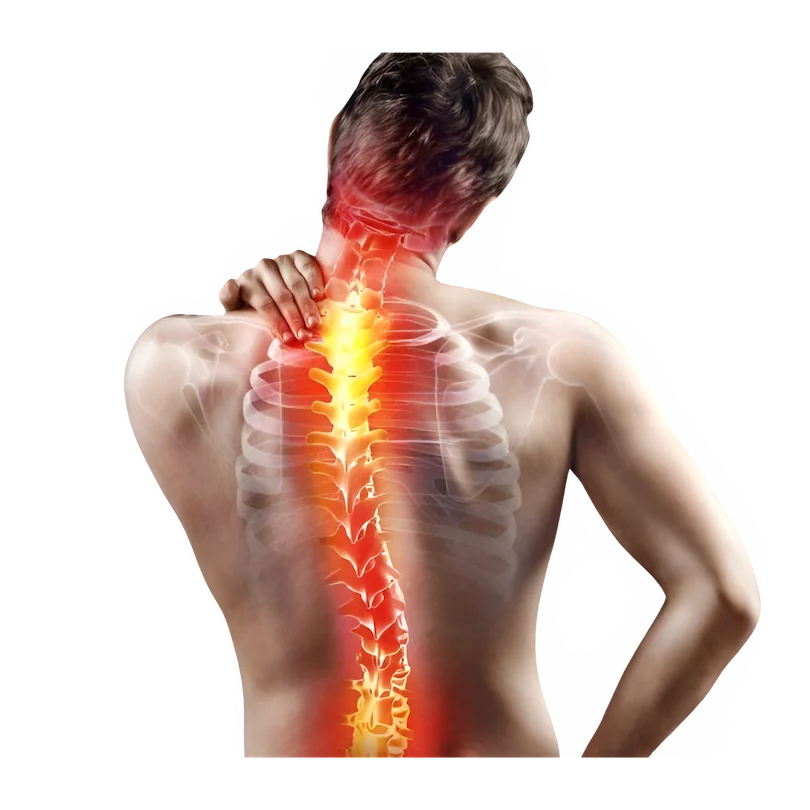
The approach can be utilized for treating various conditions, including cervical spondylosis, lumbar spondylosis, frozen shoulder, arthritis, sciatica, herniated discs, migraines, insomnia, digestive disorders, and more.
It is important to highlight that Musculoskeletal Alignment should only be performed by trained professionals, such as certified Musculoskeletal Alignment physicians or therapists, to ensure the effectiveness and safety of the treatment.
Orthopaedics
- Scoliosis
Scoliosis, also referred to as scoliosis, is a lateral curvature of the spine from its usual straight alignment. Essentially, the spine loses its straightness and curves to one side, creating a "C" or "S" shape.
- Hunchback
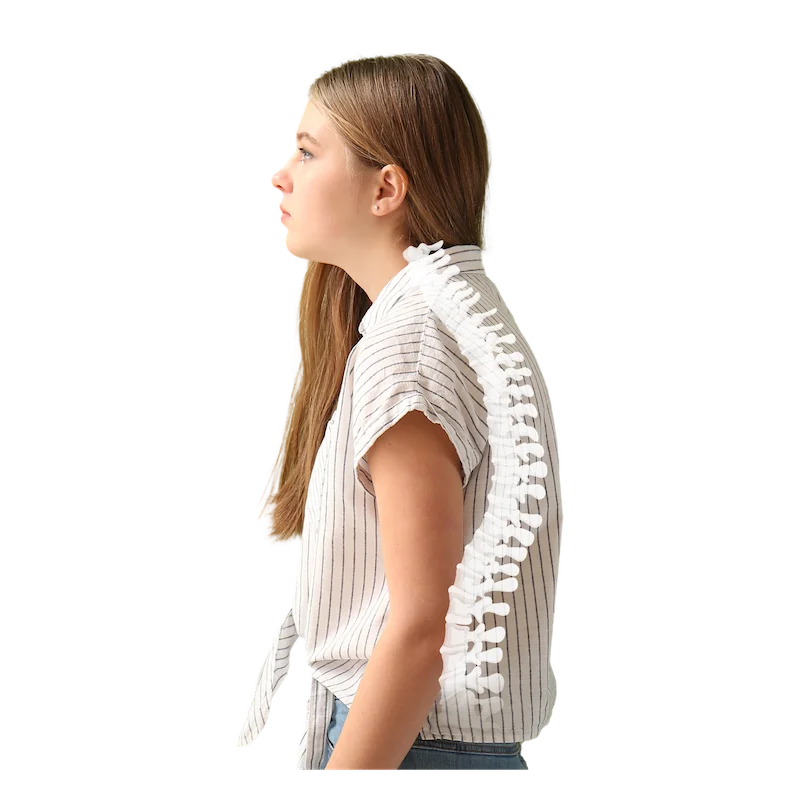
Kyphosis denotes an atypical curvature of the spine leading to the protrusion of the upper back (thoracic region), resulting in a distinct curve resembling a camel's back, hence the term "hunchback." This condition causes the upper body to seem inclined forward, with the shoulders drooping forward.
- Forward Head Posture
"Forward head posture" is a carriage in which the head sits ahead of the shoulders while standing or sitting, typically to see better or to compensate for a posture problem. Essentially, it involves stretching the neck and pushing the head forward.
- Pelvic Readjustment
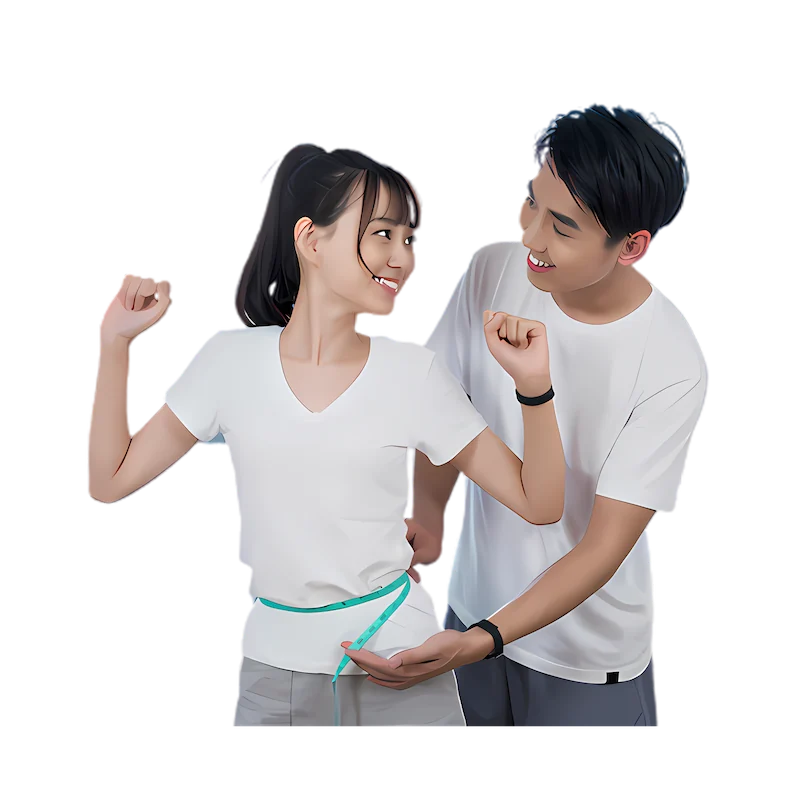
Pelvic repair involves aiding the pelvis in returning to its natural state. This encompasses addressing pelvic fractures, rectifying pelvic tilt, or pelvic reduction. The objective of this procedure is to reestablish the pelvis to its standard position and functionality, alleviate discomfort, and enhance mobility.
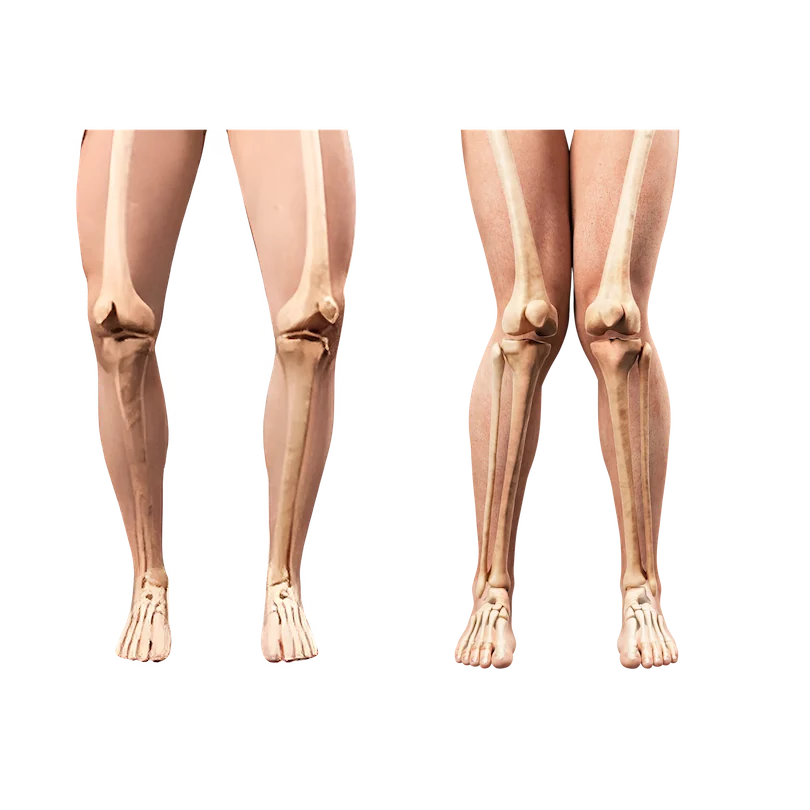
- Feet with O/X deformity
Feet with an X-shape (also known as pigeon-toed feet) are characterized by the inside of the knees touching or being close together when standing upright, with the outside of the ankles further apart. Conversely, O-shaped feet (also referred to as pigeon-toed feet) exhibit a distinct gap between the outside of the knees while the inside of the ankles are closer together when standing upright. In this case, the knees bend outward while the ankles are closer together.
Orthopaedics and Joint
- Frozen Shoulder
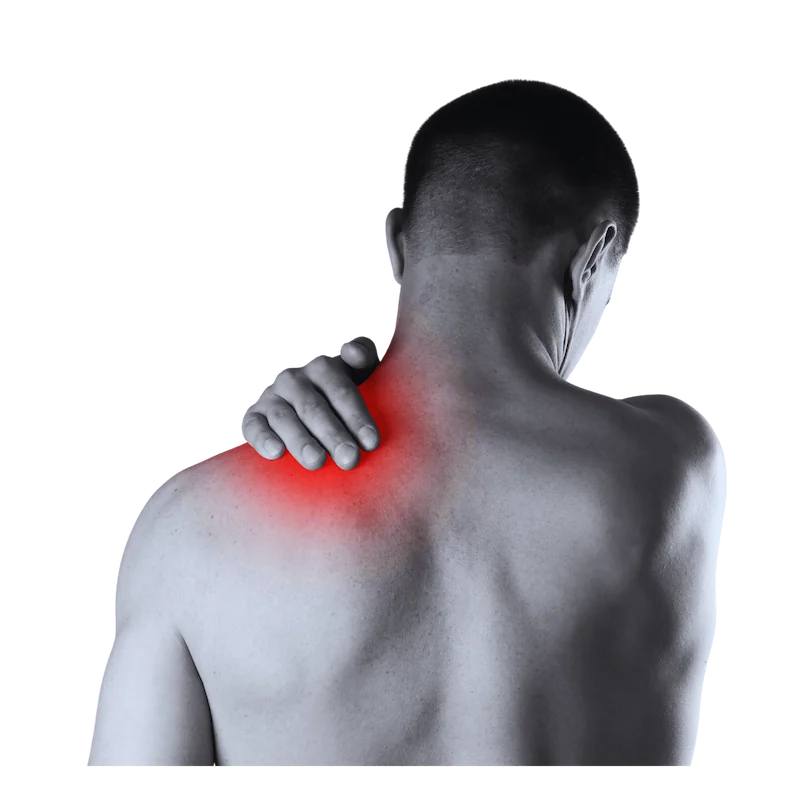
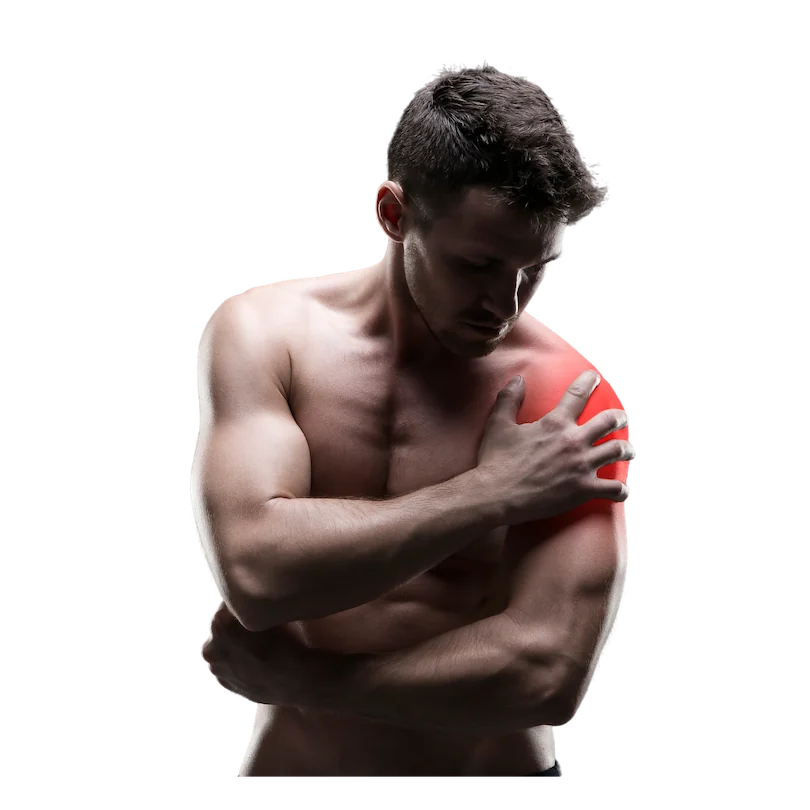
Frozen shoulder refers to inflammation of the tissues surrounding the shoulder, resulting in pain, stiffness, and restricted movement. Essentially, it indicates an issue with the shoulder joint, muscles, and ligaments, leading to discomfort or reduced flexibility in shoulder movement.
- Uneven Shoulders
"Uneven shoulders" denotes the difference in height between the two shoulders, where one sits slightly higher than the other when standing upright.
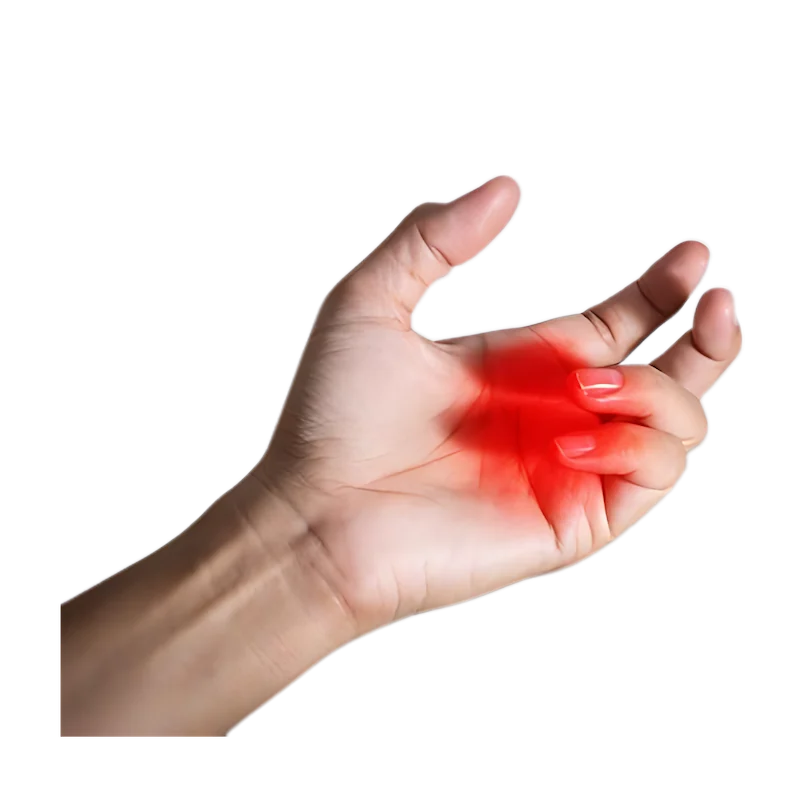
- Trigger Finger
"Trigger finger" refers to a cosmetic issue affecting the fingers, characterized by a bow-like appearance of the finger joints when extended, resembling a slingshot. Typically, this condition results from injury or deformity of the soft tissue in the finger joints.
- Bone Spur
Bone spurs are additional bony growths that manifest as protrusions or projections on bone surfaces. These growths develop organically as bones adapt to prolonged friction, pressure, or injury in joints, the spine, or other areas of the body. They may exert pressure on neighboring tissues, leading to pain, inflammation, and restricted mobility.
- Knee Cartilage Wear
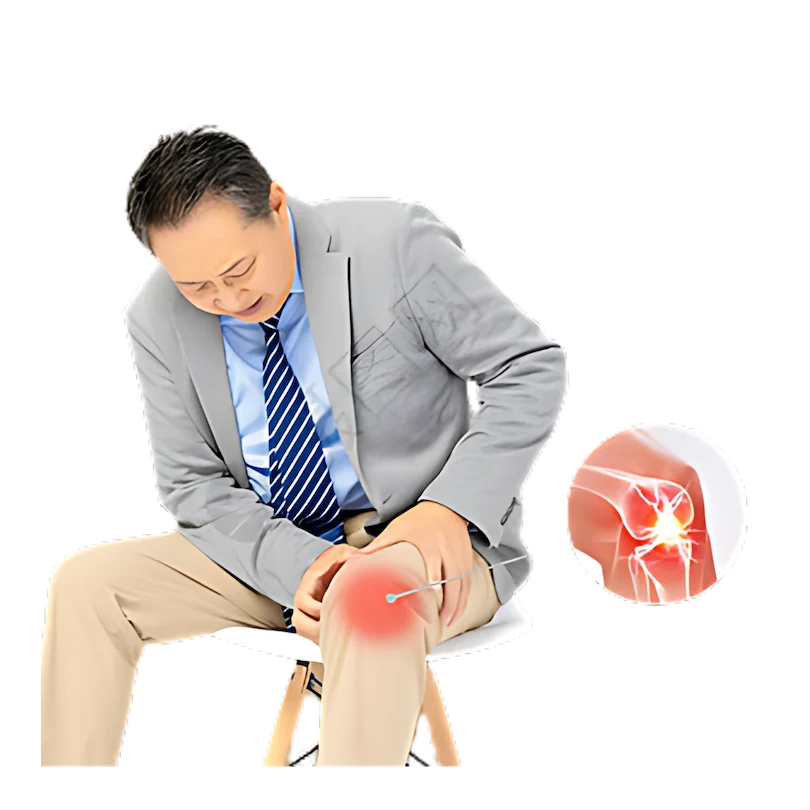
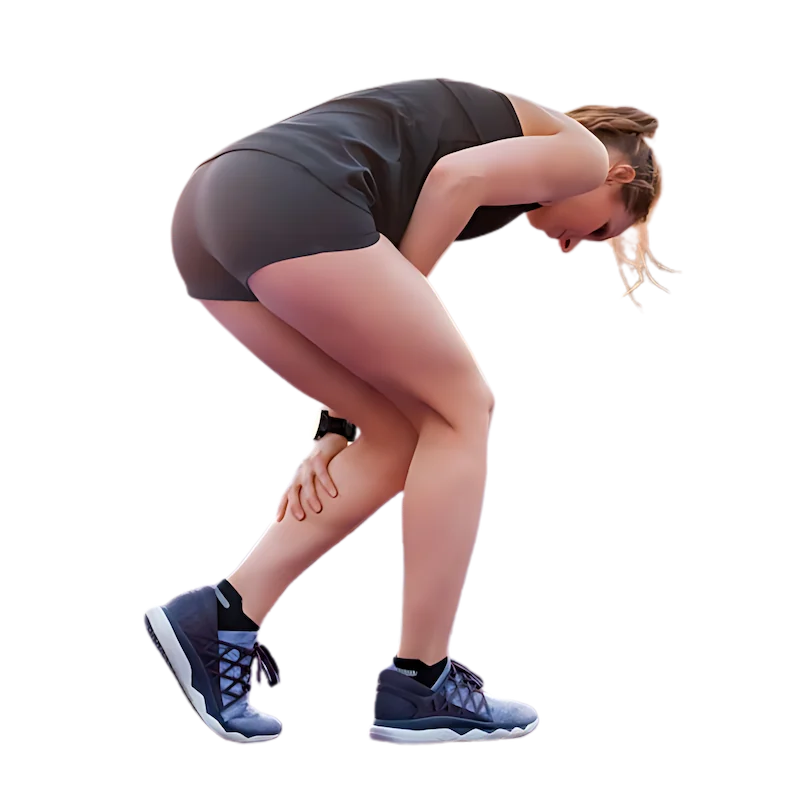
Knee cartilage functions as a lubricant and cushion within the knee joint, primarily comprising collagen and other components. This substance aids in minimizing friction during knee movement, safeguarding bones and joints. Essentially, it serves as a lubricant within the knee, facilitating smoother knee operation.
- Sciatic nerve
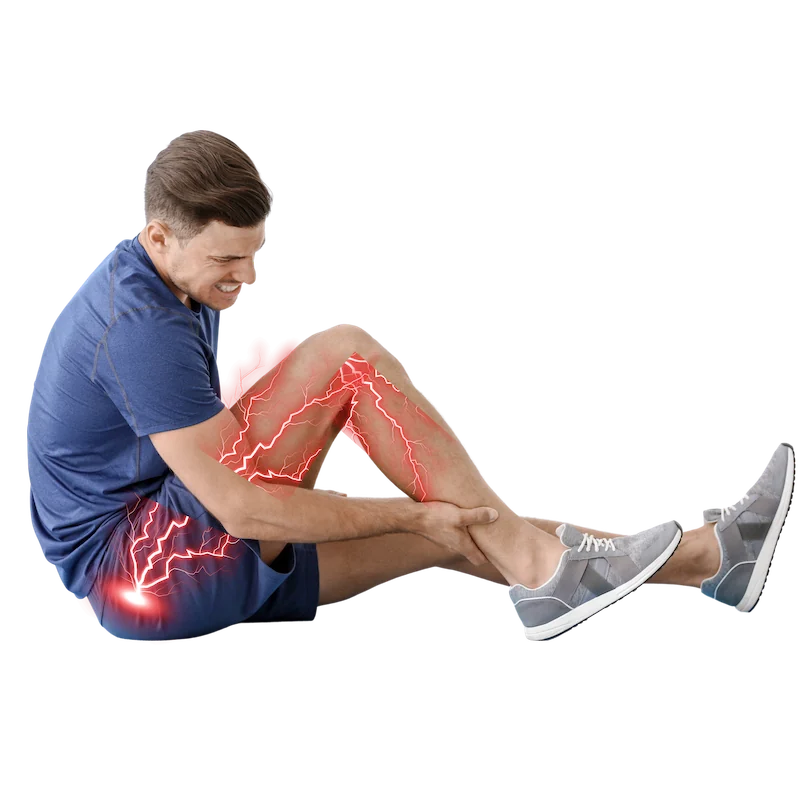
The sciatic nerve, the longest nerve in the body, extends from the lower back to the legs, transmitting sensations and controlling leg muscles. Essentially, it serves as the conduit for communication between the brain and legs, overseeing leg movements and sensations.
- Lumbar vertebrae L1 - L5
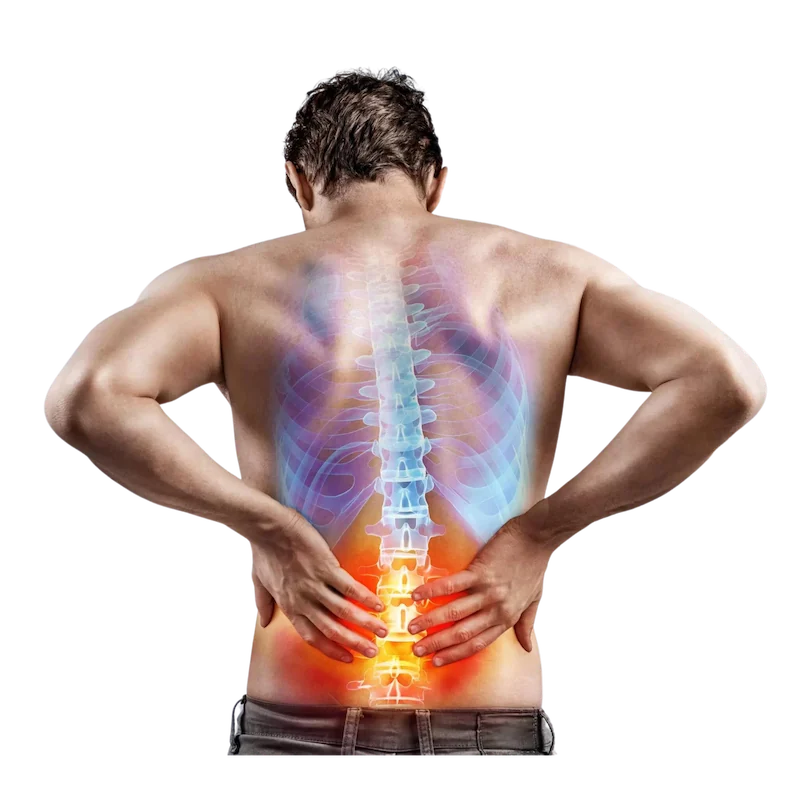
The lumbar vertebrae constitute the lower back vertebrae, pivotal for supporting the upper body's weight and enabling various movements. Maintaining the health of these vertebrae is crucial for proper posture and motor function. They are categorized as L1 - L5. L1 - L5。
- Thoracic vertebrae T1 - T12
The thoracic vertebrae constitute the spinal column's midsection, supporting the upper body's weight, safeguarding the spinal cord, and facilitating bending and twisting movements. Additionally, they articulate with the ribs, contributing to the structure of the chest cavity.
- Cervical vertebrae C1 - C7
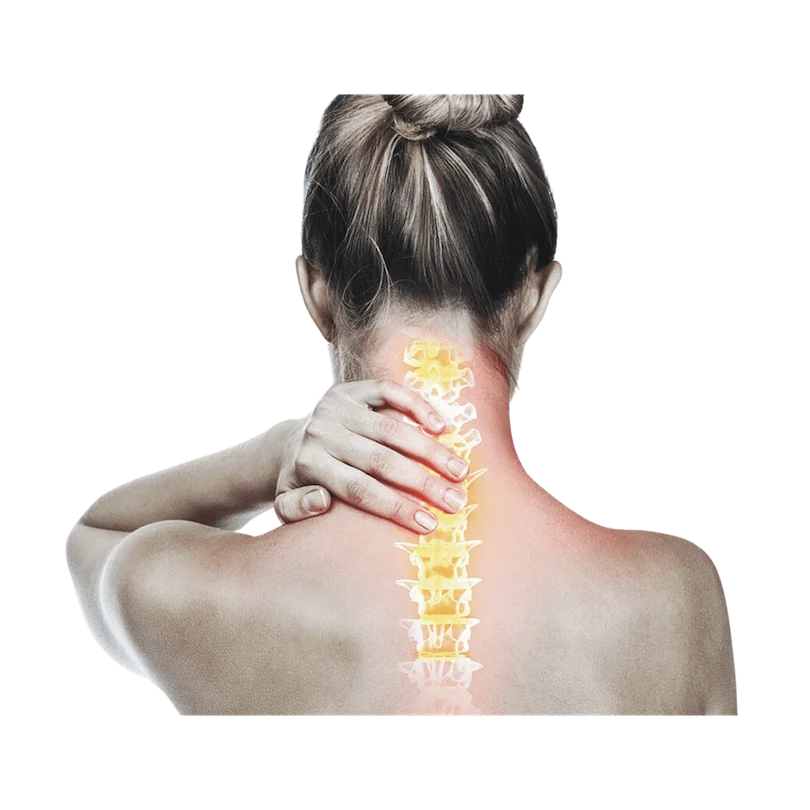
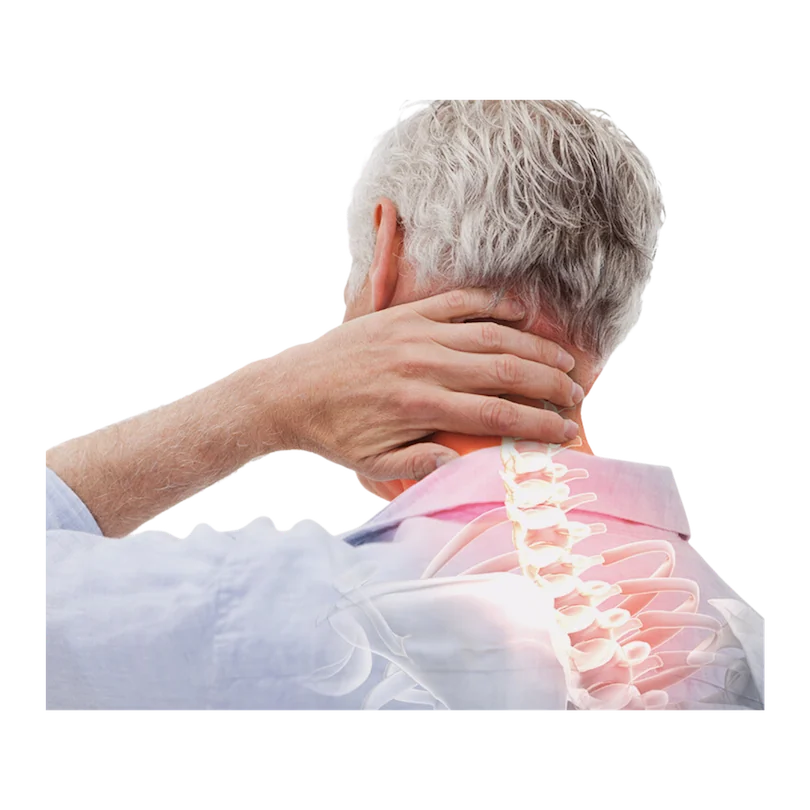
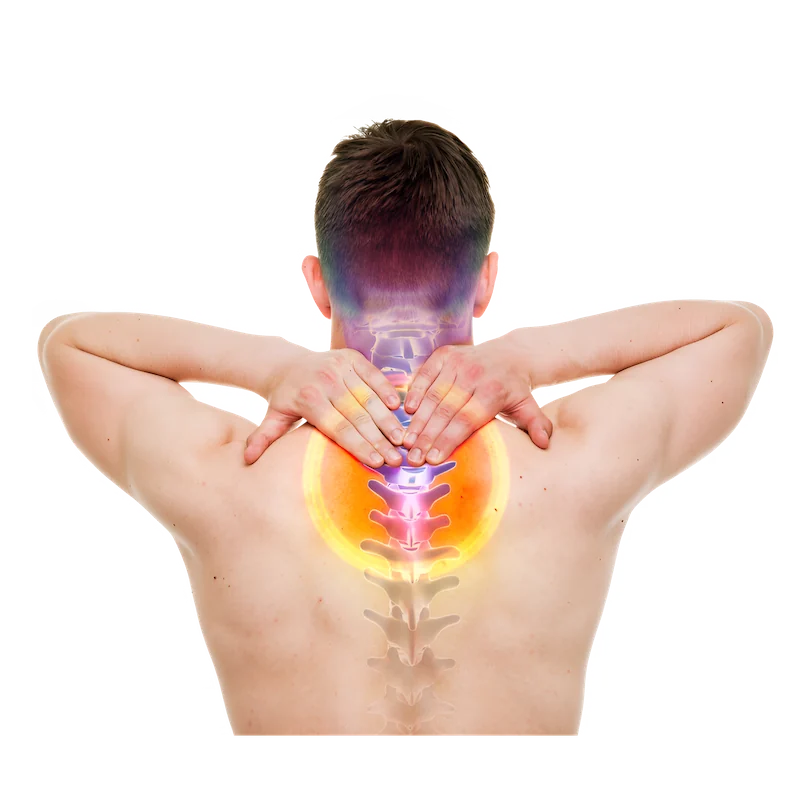
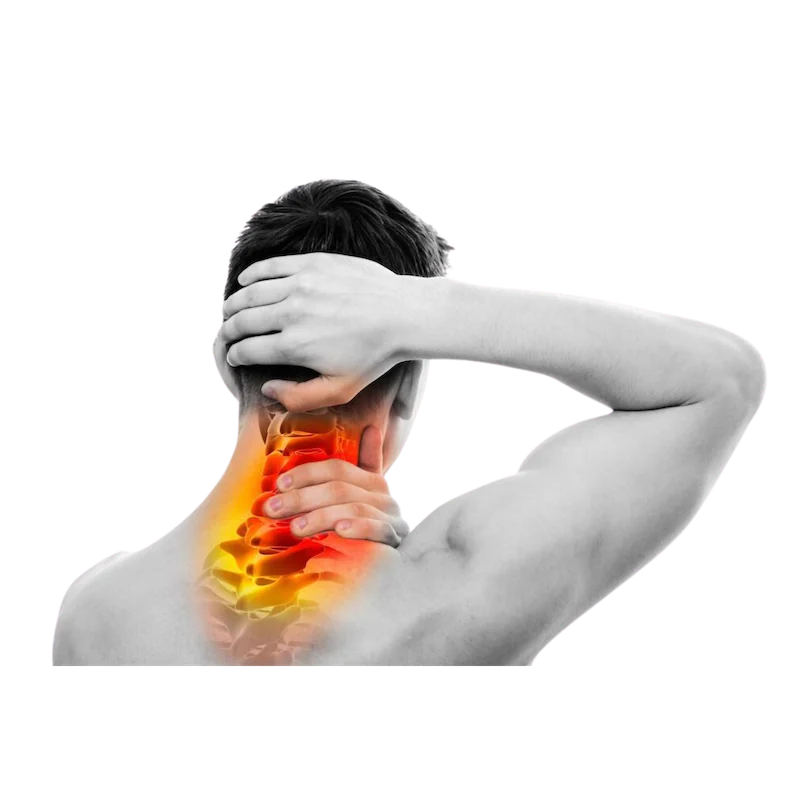
The cervical vertebrae are situated in the neck, connecting the head to the upper body. Their primary functions include supporting the head's weight, enabling neck movement, and safeguarding the spinal cord's position in the neck. In essence, the cervical vertebrae facilitate neck mobility while maintaining spinal stability.
Neurology
- Spinal Nervous System
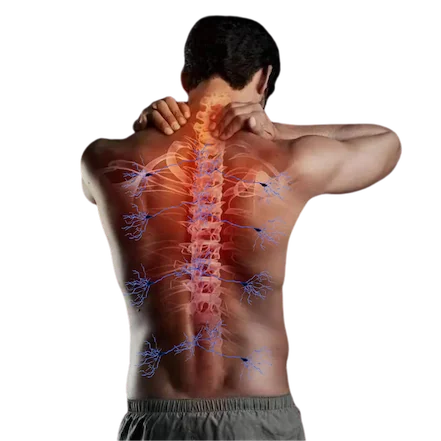
The spinal nervous system constitutes a vital component of the body's nervous system, comprising the spinal cord and the nerves originating from it. Essentially, it facilitates the transmission of information between the brain and the body.
- Dowager Hump
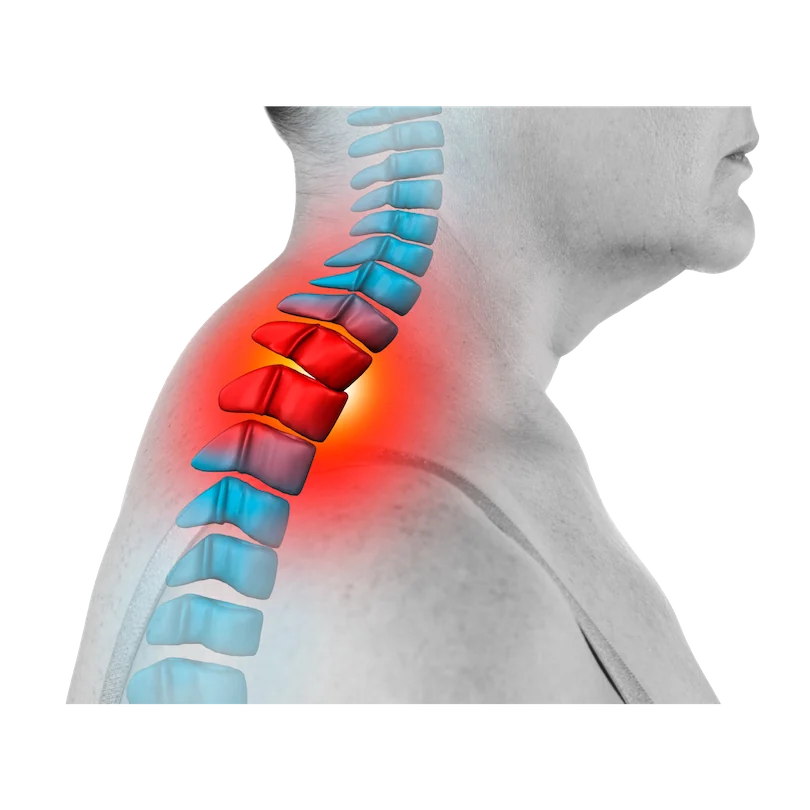
The "Dowager Hump" moniker is commonly bestowed by the general public. Historically, it was often associated with affluent individuals. However, the "Dowager Hump" could also signify a critical issue. Beneath this favorable label lurks a potentially life-threatening health condition. The regions where this bag manifests typically involve the accumulation of fat or protrusions on the neck and shoulders.
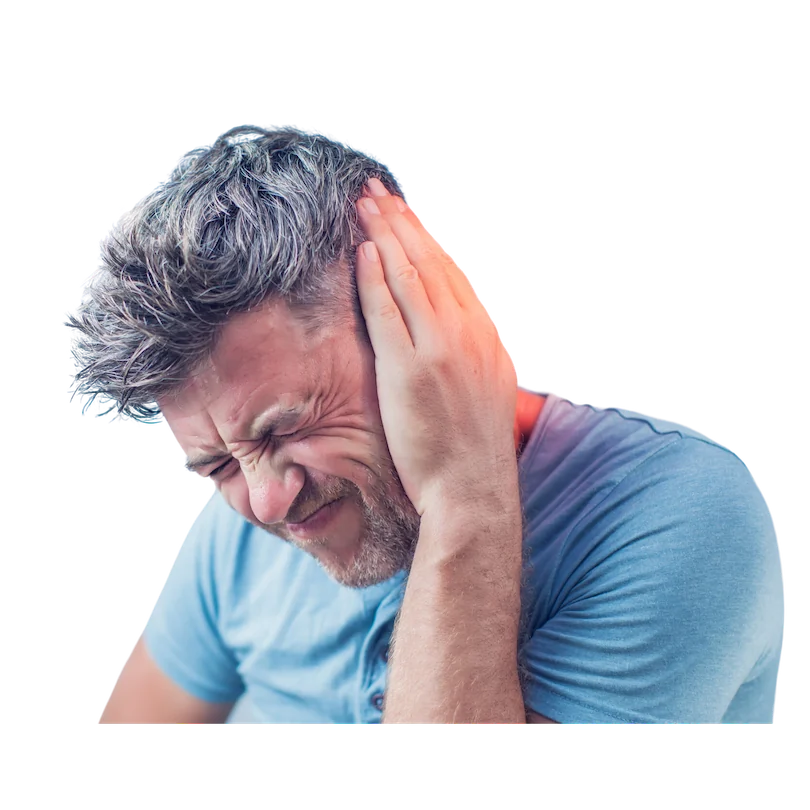
- Ear fluid imbalance
Fluid imbalance is a condition involving the equilibrium of fluid within the inner ear, crucial for regulating the body's balance and head positioning. This fluid operates in the cochlea and the vestibule, affecting sensations of dizziness, loss of balance, or vertigo when its levels are imbalanced.
- Paralysis
Paralysis refers to the loss of sensation or mobility in a specific body part. This condition may manifest as an inability to move or a lack of tactile sensation in the affected area. For instance, a compressed nerve can lead to numbness in the hand, or weakness and immobility in the arm. Paralysis can affect any part of the body and is commonly the result of nerve compression, injury, or disease.
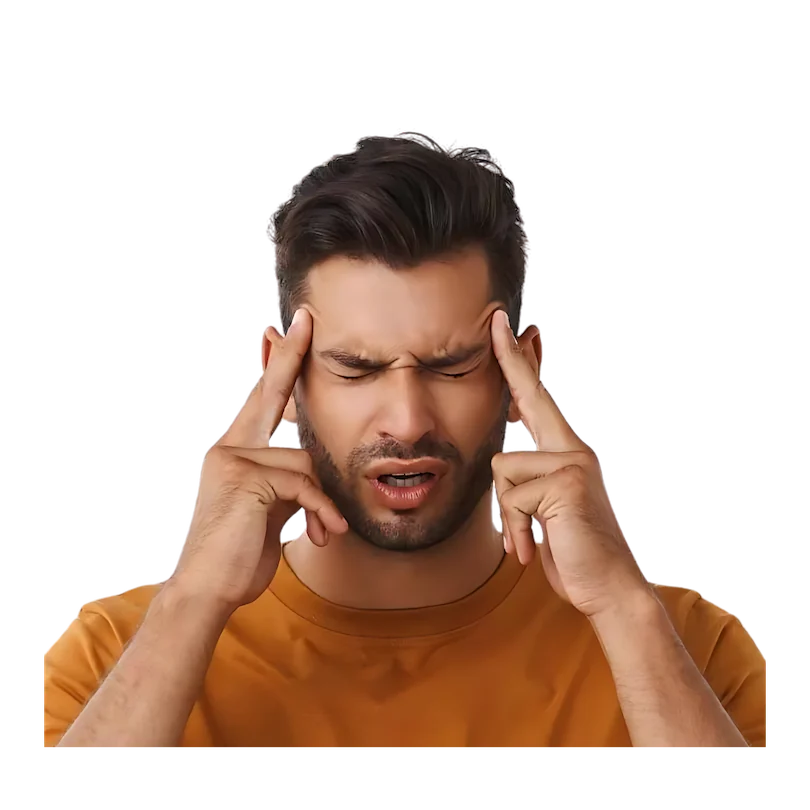
- Headache
A headache is a sensation of discomfort or pain experienced in the head. It can vary in nature, ranging from dull to stabbing or pulsating, typically occurring anywhere within the head.
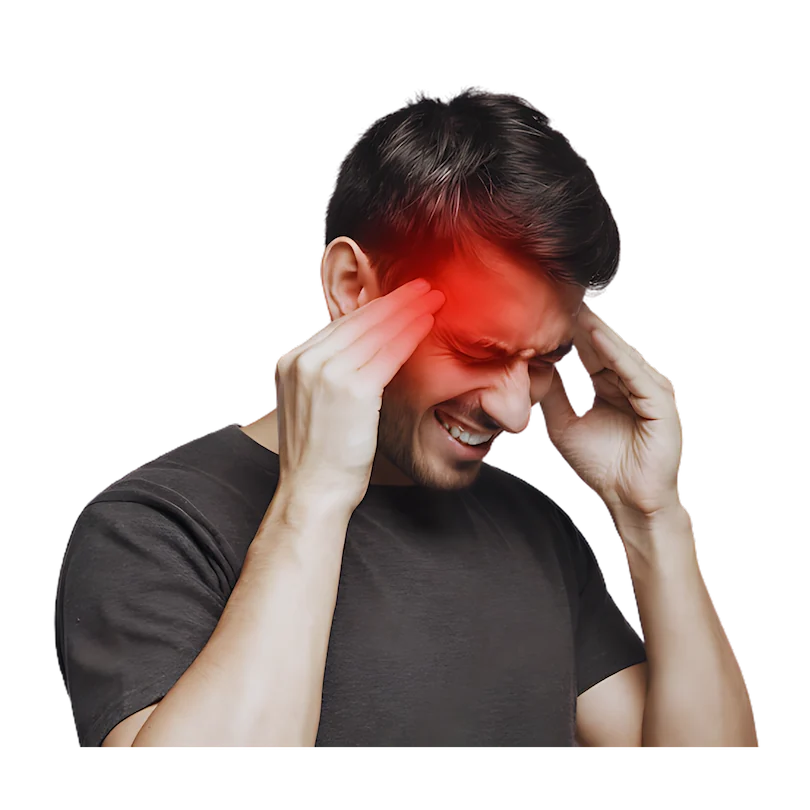
- Migraine
A migraine is a prevalent form of headache characterized by intense, pulsating pain on one side of the head. It may persist for hours to days and is frequently accompanied by symptoms like nausea, vomiting, and sensitivity to light or sound.
Uniqueness
The uniqueness of Musculoskeletal Alignment
1. Non-surgical treatment
Musculoskeletal Alignment utilizes spinal instruments or manual techniques for treatment, eliminating the need for surgical intervention and avoiding the risks and painful recovery period associated with surgery.
2. Personalized treatment
Musculoskeletal Alignment focuses on individualized treatment because each person has unique body structure and issues. Treatment methods need to be tailored accordingly, allowing for personalized and targeted adjustments based on the specific condition of each patient. This personalized approach increases the effectiveness of the treatment.
3. No side effects
Compared to other forms of treatment such as medication or surgical interventions, the methods used in the theory of Musculoskeletal Alignment are gentle and do not have any side effects. They do not negatively impact the patient's body and are considered safe.
4. Quick results
Under the theory of Musculoskeletal Alignment, certain conditions can experience rapid relief of symptoms. For example, issues like muscle pain, joint stiffness, and other related symptoms can be alleviated quickly through this form of treatment.
5. Wide range of applications
Musculoskeletal Alignment is applicable to various conditions, including cervical spondylosis, lumbar spondylosis, frozen shoulder, arthritis, headaches, insomnia, digestive disorders, and more. Therefore, it can be applied in multiple fields to meet the diverse treatment needs of patients.