
Orthopaedics and Joint
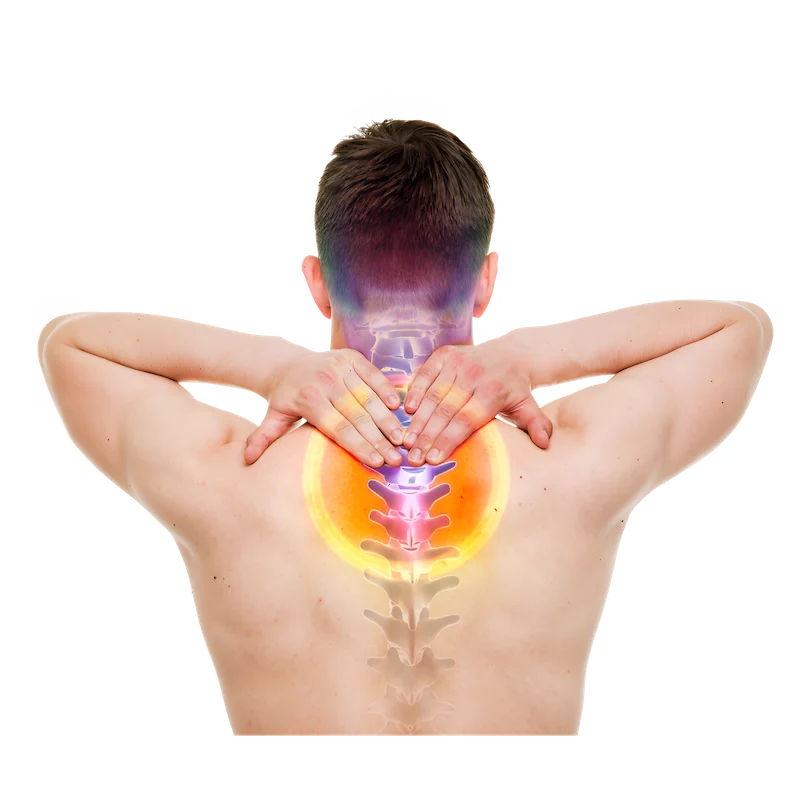
Thoracic vertebrae T1 - T12
The thoracic vertebrae constitute the spinal column’s midsection, supporting the upper body’s weight, safeguarding the spinal cord, and facilitating bending and twisting movements. Additionally, they articulate with the ribs, contributing to the structure of the chest cavity.
WhatsApp +60 13-323 7828Numerous factors contribute to the occurrence of thoracic spine issues. Here are some prevalent causes:
- Injury
- Slip Disc
- Scoliosis
Deterioration of the thoracic spine can result in several severe consequences:
- Nerve issues: Compression or injury to the thoracic spine can impact the nerves, leading to numbness, tingling, or weakness in the arms or upper body.
- Breathing Difficulty: Issues with the thoracic spine can impact the regular expansion of the chest cavity, leading to breathlessness or chest pain.
Frequently Asked Questions
Where is the T12 vertebra in the spine?
T12 is the last of the twelve thoracic vertebrae (T1–T12) — the midsection of the spine that runs from the base of the neck to the bottom of the ribs, between the cervical spine above and the lumbar spine below. This page's intro describes that midsection: it supports the upper body, protects the spinal cord and articulates with the ribs (Cleveland Clinic).
Where is T1, the first thoracic vertebra?
T1 is the first of the twelve thoracic vertebrae, at the top of the mid-back section just below the cervical (neck) spine — the start of the region whose twelve vertebrae are labelled T1 to T12 (Cleveland Clinic).
Further reading: Cleveland Clinic — Thoracic Spine: anatomy & function