
Orthopaedics and Joint
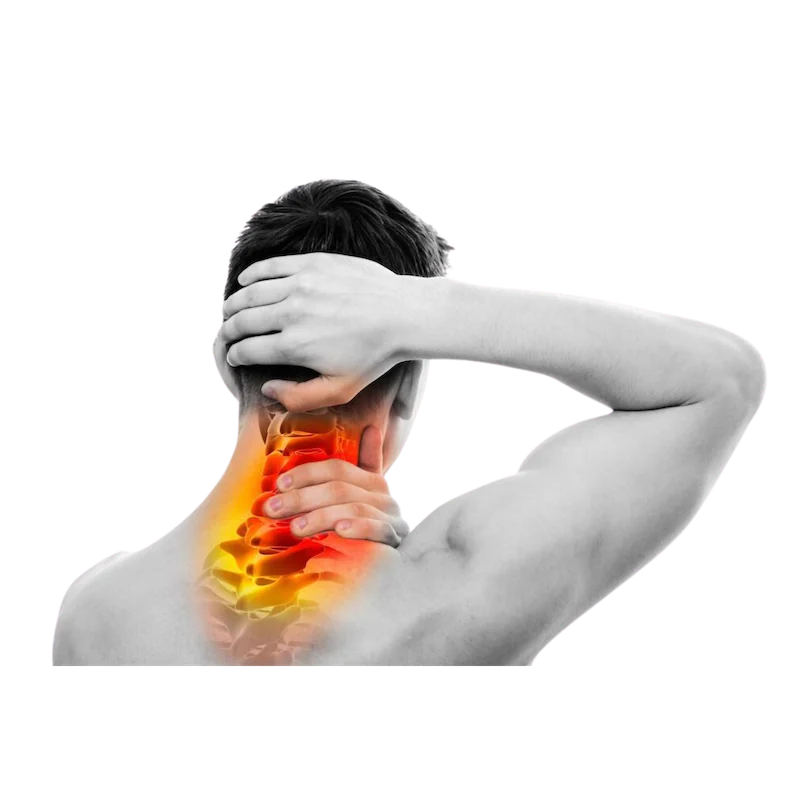
Cervical vertebrae C1 - C7
The cervical vertebrae are situated in the neck, connecting the head to the upper body. Their primary functions include supporting the head's weight, enabling neck movement, and safeguarding the spinal cord's position in the neck. In essence, the cervical vertebrae facilitate neck mobility while maintaining spinal stability.
Numerous factors contribute to cervical spine issues. Here are some prevalent causes:
- Neck injuries
- Poor posture
- Muscle tension
Degeneration of the cervical spine can result in a cascade of severe outcomes:
- Chronic neck pain: The pain can worsen and spread to the shoulders, upper back, or head.
- Severe cervical spine issues can impact blood flow or nerve function, leading to dizziness or balance issues.
- Arm and hand symptoms: Issues with the cervical spine can lead to nerve compression, resulting in numbness, tingling, or weakness in the arms or hands.